

How Hawaiʻi is funding its $24 billion FY23 budget
The legislature not only decides where money is spent, but also makes many of the decisions about who pays how much to support the budget.

Federal spending reduced overall poverty last year despite the pandemic-recession
But in Hawaiʻi, tens of thousands of residents below the poverty line still struggled to make ends meet.

Appleseed agenda 2021: stop cuts, boost working families and the economy
Hawaiʻi Appleseed’s work during the 2021 legislative session focuses on the areas most critical to preserving the strength and stability of Hawaiʻi people, families and communities.

What’s included in the new federal coronavirus aid and what was left out?
The $900 billion COVID relief agreement provides urgently-needed relief to Hawaiʻi’s families, but the short timeline is worrisome and several important items were left out of the final deal.

Continuing research into poverty and housing with Hawaiʻi Community Foundation grant
The grant continues generous support from Hawaiʻi Community Foundation for fact-based research into budget, tax and housing policy issues that affect the wellbeing of Hawaiʻi’s people.

A better kind of unemployment insurance
Short-Time Compensation allows employees to stay in their jobs at reduced hours, pays more than the state’s current UI does, and ensures that they keep their benefits.

The Micronesian community is being disproportionately harmed by COVID-19
Given the precarious situation in which COVID-19 places the Micronesian community, the State of Hawaiʻi must take steps to help in both the short and long term.

Honolulu minimum wage is lowest among 15 most expensive U.S. cities
While residents of metropolitan areas with high prices also tend to have higher incomes, that’s not the case in Honolulu—and especially not true for minimum wage workers.

Unemployed workers in Hawaiʻi can’t wait for Congress
Hawaiʻi has more than 200,000 unemployed workers and contractors. The state must move now to offer immediate support for these workers and their families.

Hawaiʻi still needs federal relief funds
Without further federal aid to state and local governments, Hawai'i is projected to lose 23,700 private and public jobs by the end of 2021.

Counties may need to fill gaps left in state coronavirus response
Some 35,000 additional households could fall into poverty or financial insecurity by the end of the year unless these gaps in state funding are addressed.

Hawaiʻi’s job losses are increasing economic inequity
Because of the way Hawaiʻi’s economy is structured, those who were already struggling to earn enough before COVID-19 are also the most likely to lose a job.

P-EBT: Pandemic benefits for Hawaiʻi families to buy food
There’s a valuable new benefit available for Hawaiʻi families with children who are struggling to buy food. It’s called Pandemic-EBT, or P-EBT.

Allocating $100 million in CARES Act relief to housing support is good state policy
To help more than 100,000 Hawaiʻi residents stay in their homes, $100 million in CARES Act housing support is money well spent.
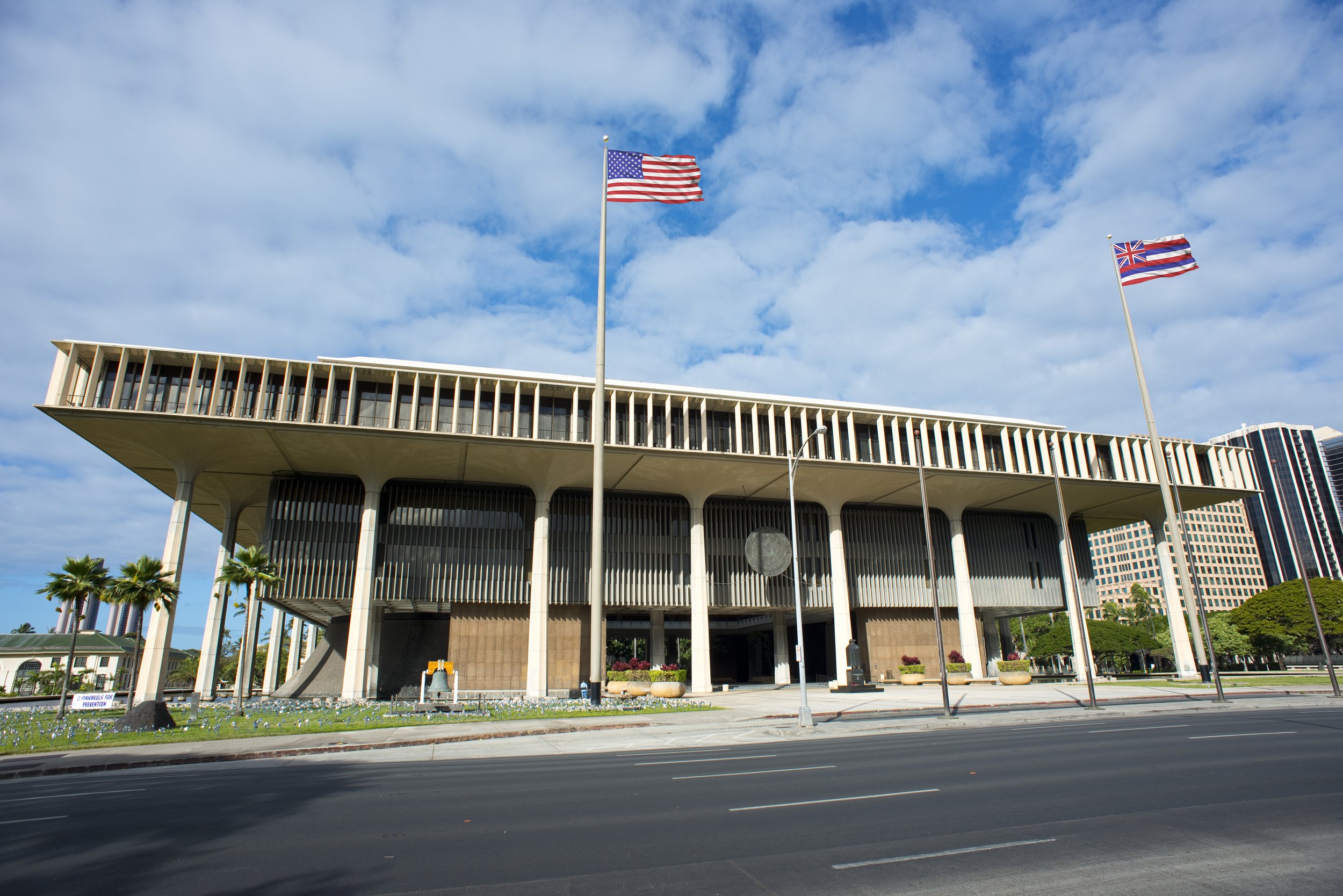
Setting the stage for a crucial June special session
CARES Act funds must be spent by the end of December, and careful decisions need to be made to address critical needs in our community.

High levels of consumer debt add to Hawaiʻi household financial struggles
Hawaiʻi’s high debt load is usually invisible, but that may change soon as households become unable to carry this burden in the COVID-19 economy.
State research confirms economic benefit of minimum wage hikes
The Department of Business, Economic Development and Tourism’s latest report demonstrates that a living wage is not only possible, it is economically desirable.

Trump’s Public Charge rule could cost Hawaiʻi tens of millions in revenue
The financial cost of the rule change is in addition to the harm done to the health and resilience of immigrant families through the “chilling” effect on benefits-use that has already been documented in Hawaiʻi.

A tax on vacant units could provide housing crisis relief, if done right
Besides funding sources, taxes can be an excellent way of shifting behaviors; but getting rates and exemptions right is key to success.

Honolulu just moved to the forefront of vacation rental regulation
After 30 years, the county finally has the tools it needs to stop the proliferation of illegal short-term rentals.